Express | TypeScript | MongoDB | Docker. Part 1
Guided workshop for building a base project using MongoDB, Express, and TypeScript.
1. What is Express?
Express is a framework for the Node.js runtime environment that simplifies the creation of web applications and APIs. It provides a set of features and tools that streamline server-side development, particularly for building microservices and RESTful APIs. Some of the key features of Express include:
- Routing: Allows defining routes to handle different HTTP requests (GET, POST, PUT, DELETE, etc.) and associating them with specific handler functions.
- Middleware: Supports middleware functions executed during the request lifecycle. This enables adding functionality such as authentication, error handling, request body parsing, and logging.
- Templating: Facilitates integration with template engines to render dynamic HTML content.
- Error Handling: Provides an efficient mechanism for handling application errors.
- Extensibility: Integrates seamlessly with a wide variety of Node.js modules and packages.
Coming from prior learnings in Internet Computing 2, you will notice significant similarities between Express and the Java/Spring backend framework. To help you understand how Express works, comparisons with Spring concepts will be highlighted throughout this guide.
2. Why Use Express?
Express is a popular choice for web application and API development for several reasons:
- Simplicity and Flexibility: Express is minimalist and does not enforce a rigid structure, giving developers full control over application architecture.
- Ecosystem: As one of the most popular Node.js frameworks, it boasts a vast ecosystem of modules and packages that can be easily integrated.
- Performance: Express is known for efficient performance, making it suitable for high-concurrency applications.
- Active Community: Supported by a large community contributing documentation, tutorials, and ecosystem tools.
- JavaScript/TypeScript Compatibility: Built on Node.js, Express allows developers to use TypeScript across both frontend and backend stacks.
3. Why Use MongoDB Combined with Express and TypeScript?
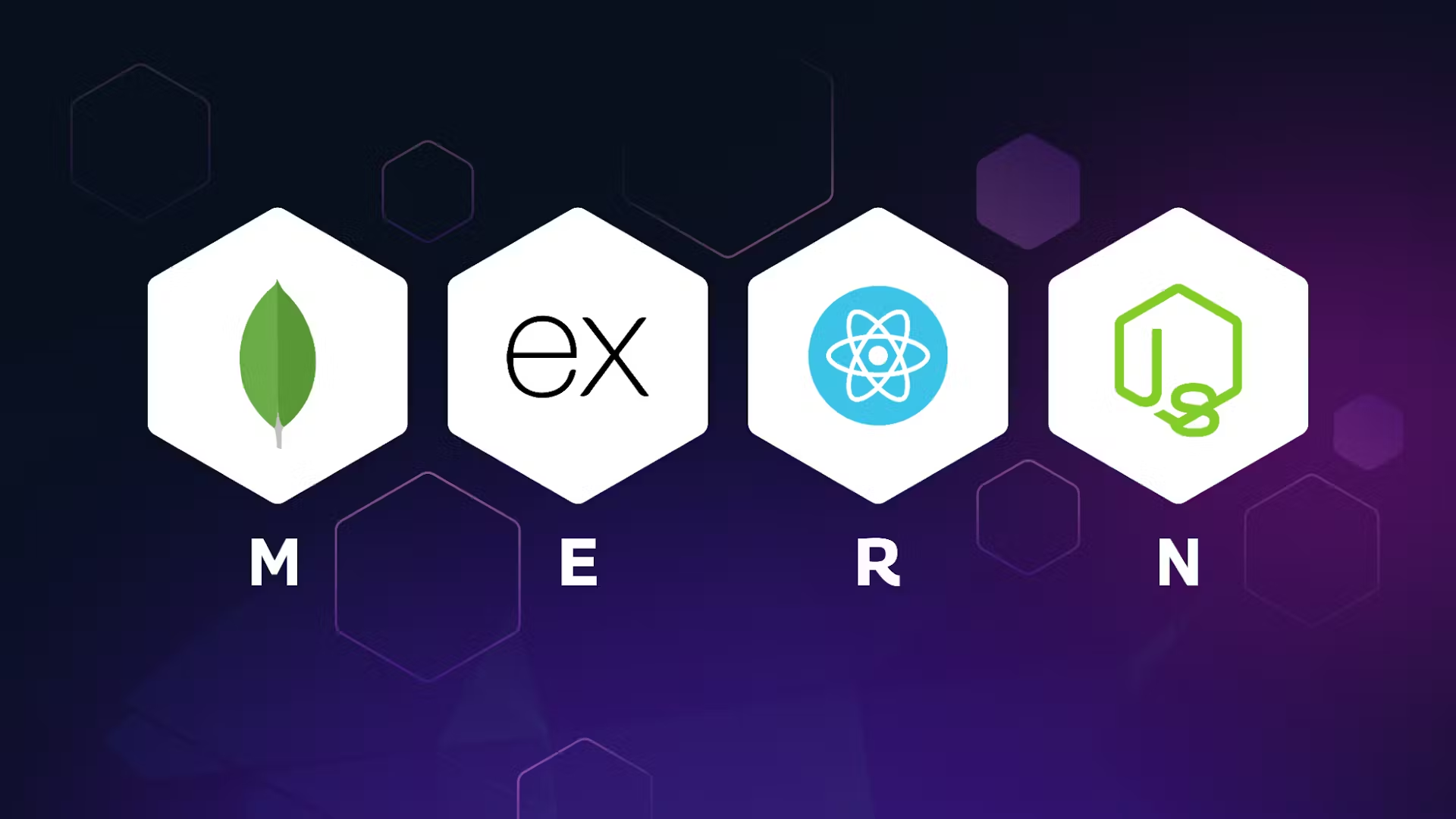
Following popular full-stack development patterns, the MERN stack (MongoDB, Express, React, Node.js) is widely used for building modern web applications. MongoDB is a NoSQL document database that integrates naturally with Express and Node.js due to its flexible schema and scalability.
4. Guided Workshop Context
Board games have gained immense popularity as social activities. However, dedicated community platforms remain limited. In this guided workshop, we will build a core application that allows users to register, log in, and share their favorite board games. The application will feature:
- User Registration: Create accounts with name, email, and a secure password.
- Authentication: User login with credentials issuing JWT tokens.
- Board Game Management: CRUD operations for board game catalog entries.
- Comment System: Users can comment on games and share reviews.
- Game Session Scheduling: Organize play sessions with location and date details.
5. Development Environment Setup
Following course practices, container technology powered by Docker and Docker Compose will be used to streamline local development, environment reproducibility, and cloud deployments.
5.1. Prerequisites
Before starting, ensure the following are installed:
5.2. Containerized Database Setup
We will use Docker Compose to define and run a MongoDB container. Create a file named docker-compose.yml at your project root:
services:
    mongo:
        image: mongo:8.0.12
        container_name: mongo
        restart: always
        ports:
        - "27017:27017"
        environment:
            MONGO_INITDB_ROOT_USERNAME: admin
            MONGO_INITDB_ROOT_PASSWORD: admin123
            MONGO_INITDB_DATABASE: boardgame-db
        volumes:
        - mongo_data:/data/db

volumes:
    mongo_data:
Execute the container in detached mode:
docker compose up -d
Verify that the container is running:
docker ps
To stop the container when needed:
docker compose down
5.3. Node.js Project Setup with TypeScript
Initialize a new Node.js project in the working directory:
npm init -y
Install core runtime dependencies:
npm install express mongoose dotenv cors bcrypt
Install TypeScript and development tooling:
npm install --save-dev typescript @types/node @types/express @types/bcrypt ts-node nodemon
Initialize the TypeScript compiler configuration:
npx tsc --init
Update tsconfig.json:
{
  "compilerOptions": {
    "outDir": "./dist",
    "module": "nodenext",
    "target": "esnext",
    "sourceMap": true,
    "declaration": true,
    "declarationMap": true,
    "strict": true,
    "isolatedModules": true,
    "skipLibCheck": true
  }
}
Add development scripts to package.json:
"scripts": {
    "start": "ts-node ./src/index.ts",
    "dev": "nodemon ./src/index.ts"
}
5.4. Project Structure
Organize the src/ directory following clean architecture principles:
compunet3-20252/
├── .gitignore
├── .env
├── docker-compose.yml
├── package.json
├── src
│   ├── config/
│   ├── controllers/
│   ├── interfaces/
│   ├── models/
│   ├── routes/
│   ├── services/
│   └── index.ts
└── tsconfig.json
- config/: Database connections and environment configurations.
- controllers/: Handles HTTP requests and delegates business logic (similar to Spring
@RestController). - interfaces/: TypeScript type definitions and interfaces.
- models/: Mongoose schemas representing database collections.
- routes/: Express router endpoints (similar to Spring
@RequestMapping). - services/: Business logic layer.
- index.ts: Server entry point.
6. Creating the Express Server
6.1. Entry Point (src/index.ts)
import express, { Express } from 'express';
import { db } from './config/connectionDB';

const app: Express = express();
process.loadEnvFile();

const port = process.env.PORT || 3000;

app.use(express.json());

db();

app.listen(port, () => {
    console.log(`Server running on port ${port}`);
});
6.2. Containerizing the Express Application
Create a Dockerfile in the project root:
FROM node:22-alpine

WORKDIR /app

COPY package*.json ./

RUN npm install

COPY . .

RUN npm run build

EXPOSE 3000

CMD ["node", "dist/index.js"]
Update docker-compose.yml to include the Express service alongside MongoDB:
services:
    express:
        build: .
        ports:
            - "3000:3000"
        environment:
            - PORT=3000
            - MONGO_URI=mongodb://admin:admin123@mongo:27017/boardgame-db?authSource=admin
        depends_on:
            - mongo
    mongo:
        image: mongo:8.0.12
        container_name: mongo
        restart: always
        ports:
            - "27017:27017"
        environment:
            MONGO_INITDB_ROOT_USERNAME: admin
            MONGO_INITDB_ROOT_PASSWORD: admin123
            MONGO_INITDB_DATABASE: boardgame-db
        volumes:
            - mongo_data:/data/db

volumes:
    mongo_data:
Run both services with Docker Compose:
docker compose up -d --build
View application logs:
docker compose logs -f express