Agile Methodologies: Scrum and User Stories
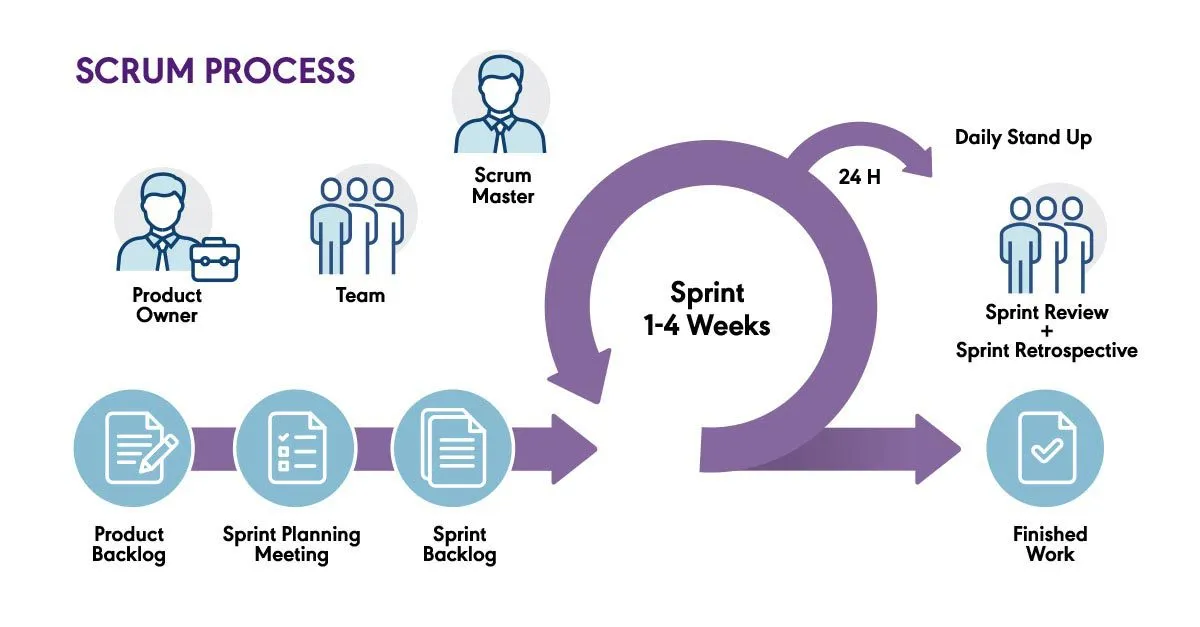
Scrum is an agile framework used to manage complex projects, particularly in software development. It is built on principles of collaboration, flexibility, and incremental value delivery. Scrum is structured around roles, events, and artifacts that facilitate team organization and execution.
Roles in Scrum
-
Product Owner: Responsible for maximizing product value and managing the Product Backlog. Defines priorities and ensures the team works on the most valuable items.
-
Scrum Master: Facilitates the Scrum process, helps the team follow agile practices, and removes impediments that hinder team progress.
-
Development Team: Self-organizing and cross-functional professionals responsible for building and delivering potentially shippable product increments at the end of each sprint.
Events in Scrum
Scrum events promote communication, planning, and continuous review:
- Product Backlog Refinement: Ongoing review and adjustment of the Product Backlog to ensure it remains updated and prioritized.
- Sprint Planning Meeting: Meeting at the start of each sprint where the team plans the work to be completed during the sprint.
- Daily Scrum: 15-minute daily meeting for the team to synchronize activities and plan the next 24 hours.
- Sprint Review: Meeting at the end of the sprint to inspect completed work and gather feedback from the Product Owner and stakeholders.
- Sprint Retrospective: Meeting at the end of the sprint to reflect on the process and identify continuous improvements.
Artifacts in Scrum
- Product Backlog: An ordered list of all features, enhancements, and fixes required for the product.
- Sprint Backlog: Set of Product Backlog items selected for the current sprint, along with a plan for delivering the product increment.
- Increment: The sum of all Product Backlog items completed during a sprint and previous sprints, which must be in a usable state meeting the Definition of Done.
User Stories
User stories are short, simple descriptions of a feature from the perspective of the end user. They capture requirements agiley, avoiding extensive documentation and focusing on value.
A user story typically follows the template:
"As a [type of user], I want to [perform an action] so that [obtain a benefit]"
Examples of User Stories
-
E-commerce User Story:
- As a customer, I want to add products to my shopping cart so that I can purchase multiple items in a single transaction.
-
Educational App User Story:
- As a student, I want to view my course progress so that I know which topics remain to be completed.
-
Management System User Story:
- As an administrator, I want to generate monthly sales reports so that I can analyze business performance.
User Stories vs. Software Requirements
- User Stories: Informal, user-centered, written in natural language, and focused on business value. Flexible and refined during development.
- Software Requirements: Formal, technical, and detailed. Describe specific system capabilities, technical constraints, and precise acceptance criteria.
Story Point Estimation
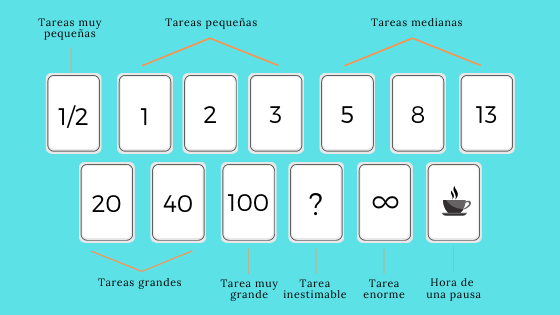
User story point estimation estimates relative effort or complexity. A common scale is the Fibonacci Sequence (1, 2, 3, 5, 8, 13, 21...), reflecting growing uncertainty as complexity increases.
Estimation Process - Planning Poker
- Review Story: Team reviews the story to understand scope.
- Discussion: Team discusses technical aspects, risks, and dependencies.
- Point Assignment: Each member assigns points using Planning Poker cards.
- Consensus: Discrepancies are discussed until consensus is reached.